Fossil Beaks Reveal a 60-Foot Octopus That May Have Ruled the Ancient Ocean
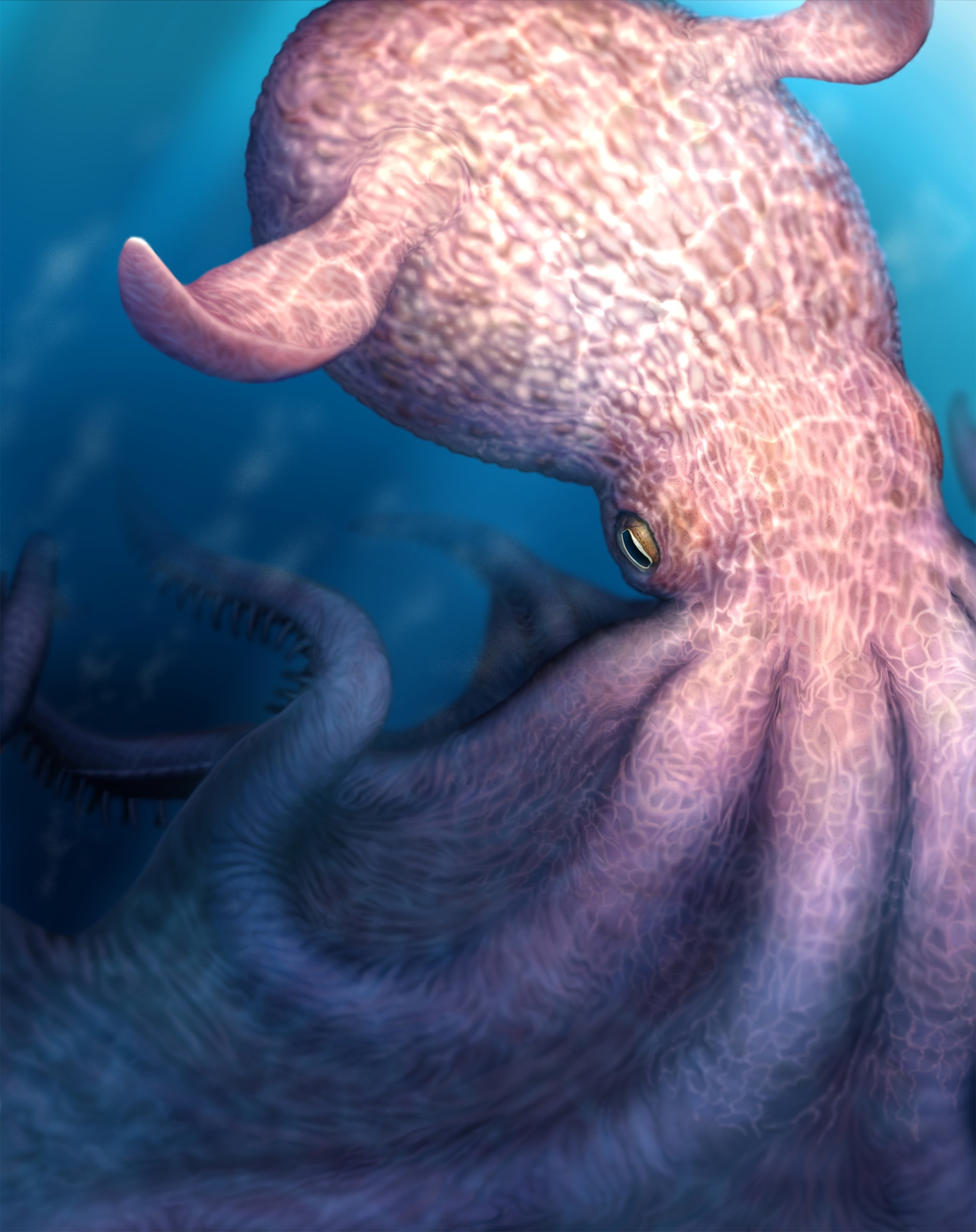
The ancient oceans were already home to some terrifying predators — snaggle-toothed fish, crushing sharks, and enormous mosasaurs. But a new discovery suggests that one of the most powerful hunters of the Cretaceous period had no spine at all.
Reading the Fossil Record
Octopuses are soft-bodied animals, which means they almost never fossilize. Their bodies simply disappear over time, leaving almost no trace. The one exception is their beak — a tough, parrot-shaped jaw made of chitin, the same hard material found in insect exoskeletons. These beaks can survive for millions of years, and their size is directly linked to the size of the animal they belonged to.
Researchers at Hokkaido University in Japan studied 15 well-preserved beaks found in Late Cretaceous rock deposits in Japan and on Vancouver Island, Canada. To find even more, they used an AI-powered technique they call digital fossil mining — scanning the inside of rock samples and letting artificial intelligence detect hidden fossil shapes buried within. This method uncovered 12 additional fossilized jaws, including several from very large animals.
A Predator at the Top of the Food Chain
The largest species, Nanaimoteuthis haggarti, lived between 86 and 72 million years ago and appears to have reached about 60 feet in length — longer than a city bus and nearly 20 feet longer than today's largest known giant squid. A closely related species, Nanaimoteuthis jeletzkyi, reached around 26 feet, and its fossils push back the record of octopuses by 5 million years.
The fossilized beaks show clear signs of heavy use — chipped edges, scratch marks, and worn tips that had lost up to 10 percent of their total length. Scientists believe this wear came from crushing tough shells and possibly even the bones of large marine reptiles like mosasaurs.
What Scientists Are Still Asking
Not every scientist is fully convinced by the 60-foot estimate, which some describe as extreme. Without gut contents or bite marks found on other fossils, it is also still unclear exactly what these creatures were eating. And one intriguing question remains: the fossils were found in shallow water deposits. What, scientists wonder, might have been living in the deeper parts of the ancient ocean?
Science is full of moments where one discovery opens up three new questions — and this is one of them.
Source: National Geographic